
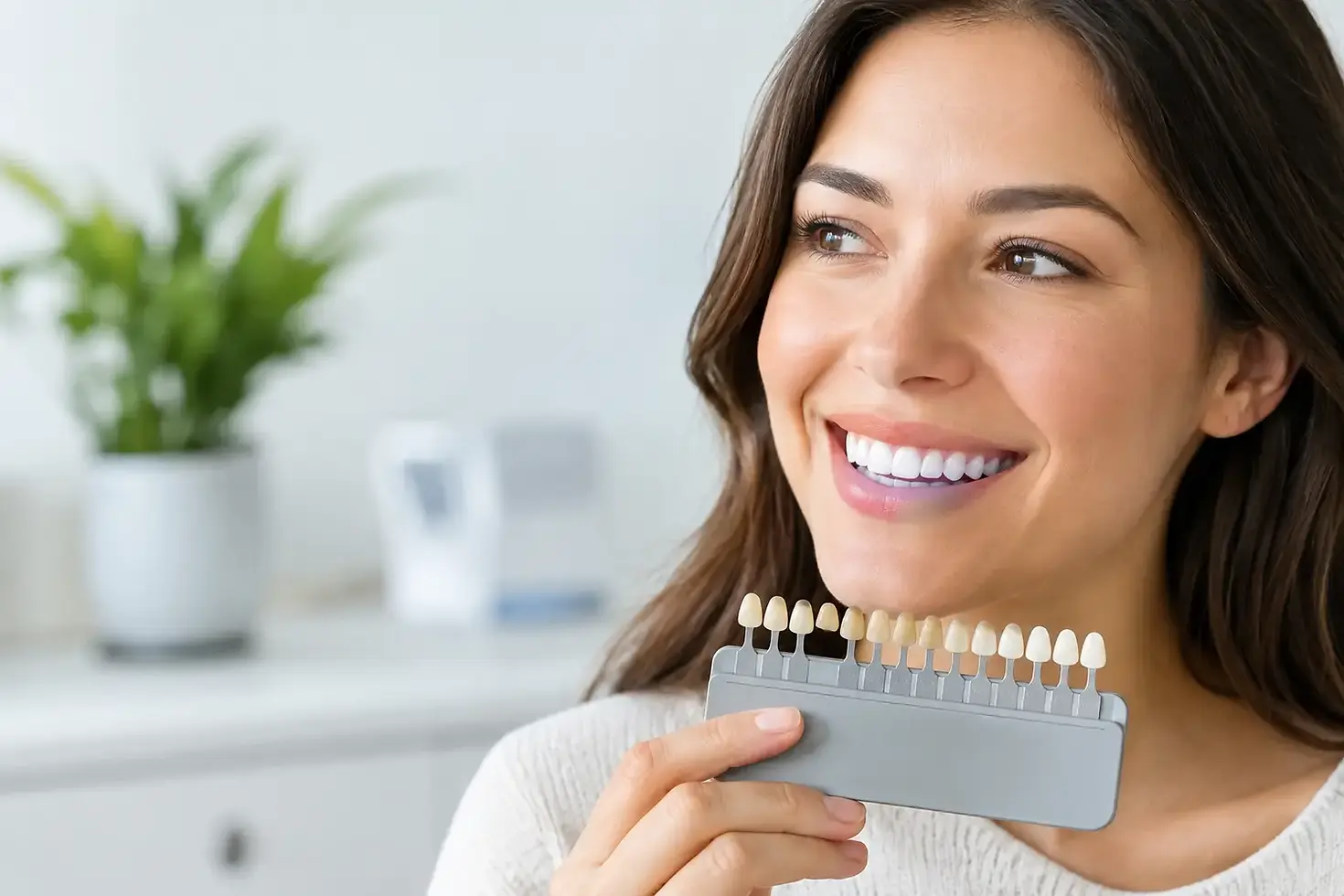
Teeth Whitening Options That Fit Your Smile

A brighter smile can make a noticeable difference before a job interview, family photos, a wedding, or simply a long overdue night out. But teeth whitening is not a one-size-fits-all treatment. The safest, most satisfying results begin with understanding why teeth look darker, which options can help, and when a dental exam should come first.
Why Teeth Change Color Over Time
Teeth naturally pick up color over the years. Coffee, tea, red wine, dark berries, tobacco, and richly colored sauces can leave surface stains on enamel. Even people with excellent brushing habits may see gradual yellowing because enamel becomes thinner with age, allowing more of the naturally darker dentin beneath it to show through.
Some discoloration is deeper than a surface stain. Certain medications, a history of dental trauma, older fillings, and internal changes to a tooth can affect color in ways that whitening gel may not fully correct. This is why an honest conversation about your goals matters. A dentist can help distinguish between staining that is likely to respond well and discoloration that may need a different cosmetic solution.
Teeth Whitening Starts With a Healthy Smile
Before whitening, your teeth and gums should be examined for issues such as cavities, gum inflammation, cracked teeth, or leaking restorations. Whitening products can increase sensitivity, and applying them to unhealthy teeth may make an existing problem more uncomfortable. Addressing dental concerns first protects your comfort and helps prevent surprises later.
A professional cleaning can also make a meaningful difference. Removing plaque, tartar, and surface buildup may brighten teeth on its own while giving whitening treatment a cleaner starting point. If it has been a while since your last checkup, scheduling an exam and cleaning before making cosmetic plans is a practical first step.
Whitening changes natural tooth enamel, not the color of crowns, veneers, bonding, fillings, or implants. If you have visible dental work, your dentist can help you plan around that difference. Sometimes whitening natural teeth before replacing an older crown or filling helps create a more even final shade. Other times, a conservative approach is best to avoid a noticeable mismatch.
Professional Teeth Whitening vs. Store-Bought Products
Over-the-counter whitening strips, toothpastes, pens, and trays appeal because they are easy to find and often cost less upfront. For mild surface staining, some products can produce a modest improvement. The trade-off is that they are not customized to your teeth or dental history, and results can be less predictable.
Whitening toothpaste primarily helps polish away surface stains. It does not usually create the same shade change as peroxide-based whitening treatments. Strips and generic trays can be effective for some people, but they may not contact every tooth evenly. If gel reaches the gums or a tray does not fit well, irritation and sensitivity can become frustrating enough to stop treatment.
Professional whitening is planned around your smile, your current shade, and your comfort level. A dental team can check for concerns before treatment, explain what kind of change is realistic, and recommend an approach that fits your needs. For patients who want noticeable results without guessing which product is appropriate, that guidance can save time, discomfort, and unnecessary spending.
At Family Care Dental, whitening can be part of a broader cosmetic and preventive plan, not a rushed add-on. That matters when you want a brighter smile while also keeping your teeth and gums healthy.
What to Expect From a Whitening Appointment
Your visit typically starts with a conversation about what you would like to change. Some patients want a subtle refresh that still looks natural. Others are preparing for a milestone event and want a brighter result. Your dental team can assess your current shade, review your dental history, and discuss whether whitening is a good fit.
If whitening is appropriate, the gums are protected and the whitening material is applied carefully to the teeth. The exact process depends on the treatment selected. Many patients experience a visible difference after professional care, although the degree of improvement depends on the starting color and the source of the discoloration.
Sensitivity is possible, especially for people who already react to cold drinks or have exposed root surfaces. It is usually temporary, and your dental team can recommend ways to reduce it. That may include adjusting the treatment schedule, using sensitivity-focused toothpaste, or avoiding very cold foods and drinks for a short period. You should not feel pressured to push through significant discomfort just to get a whiter shade.
How White Can Teeth Get?
The best whitening result is not necessarily the brightest possible shade. A natural-looking outcome should complement your complexion, facial features, and existing dental work. Teeth that are overly bright compared with a crown or veneer can draw attention to the mismatch rather than create the polished appearance you wanted.
Results also vary from person to person. Yellow-toned staining often responds better than gray or brown discoloration. Teeth darkened from injury or certain medications may require additional evaluation. In those cases, options such as bonding, veneers, or a new restoration may be worth discussing, depending on the tooth and your goals.
A good whitening plan is built around realistic expectations. Your dentist should be able to explain what treatment can improve, what it cannot change, and whether another cosmetic option would provide a better long-term result.
Keeping Your Brighter Smile Longer
Whitening is not permanent, but a few everyday choices can help results last. Rinsing with water after coffee, tea, or red wine can reduce the time pigments sit on your teeth. Regular brushing, flossing, and professional cleanings remove buildup before it becomes more noticeable.
If you use tobacco, quitting or reducing use benefits far more than your smile, but it can also help prevent rapid restaining. A straw may reduce contact with some dark beverages, though it is not a substitute for good oral hygiene. For many patients, occasional touch-up treatment is a more realistic plan than expecting one whitening session to last forever.
Be careful with home remedies that promise dramatic results. Lemon juice, charcoal powders, and abrasive scrubs can wear away enamel or irritate gums. Once enamel is lost, it does not grow back. Whitening should make your smile look better without trading away the healthy tooth structure that supports it.
When to Call a Dentist Before Whitening
Schedule an exam before starting whitening if you have tooth pain, bleeding gums, a broken tooth, swelling, loose restorations, or a darkening tooth that has changed color suddenly. Those signs may point to a dental issue that needs treatment rather than a cosmetic product.
It is also wise to ask before whitening if you are pregnant or nursing, have extensive dental work, wear clear aligners or retainers, or have a history of significant sensitivity. A quick conversation can help you avoid a treatment that is poorly timed or unlikely to meet your expectations.
A brighter smile should feel like a confidence boost, not another source of dental stress. Start with healthy teeth, choose an option that respects your comfort and budget, and let a dental professional help you make a plan you can feel good about every time you smile.


Comments